


The Ultimate Guide to Pilates Techniques and Exercises
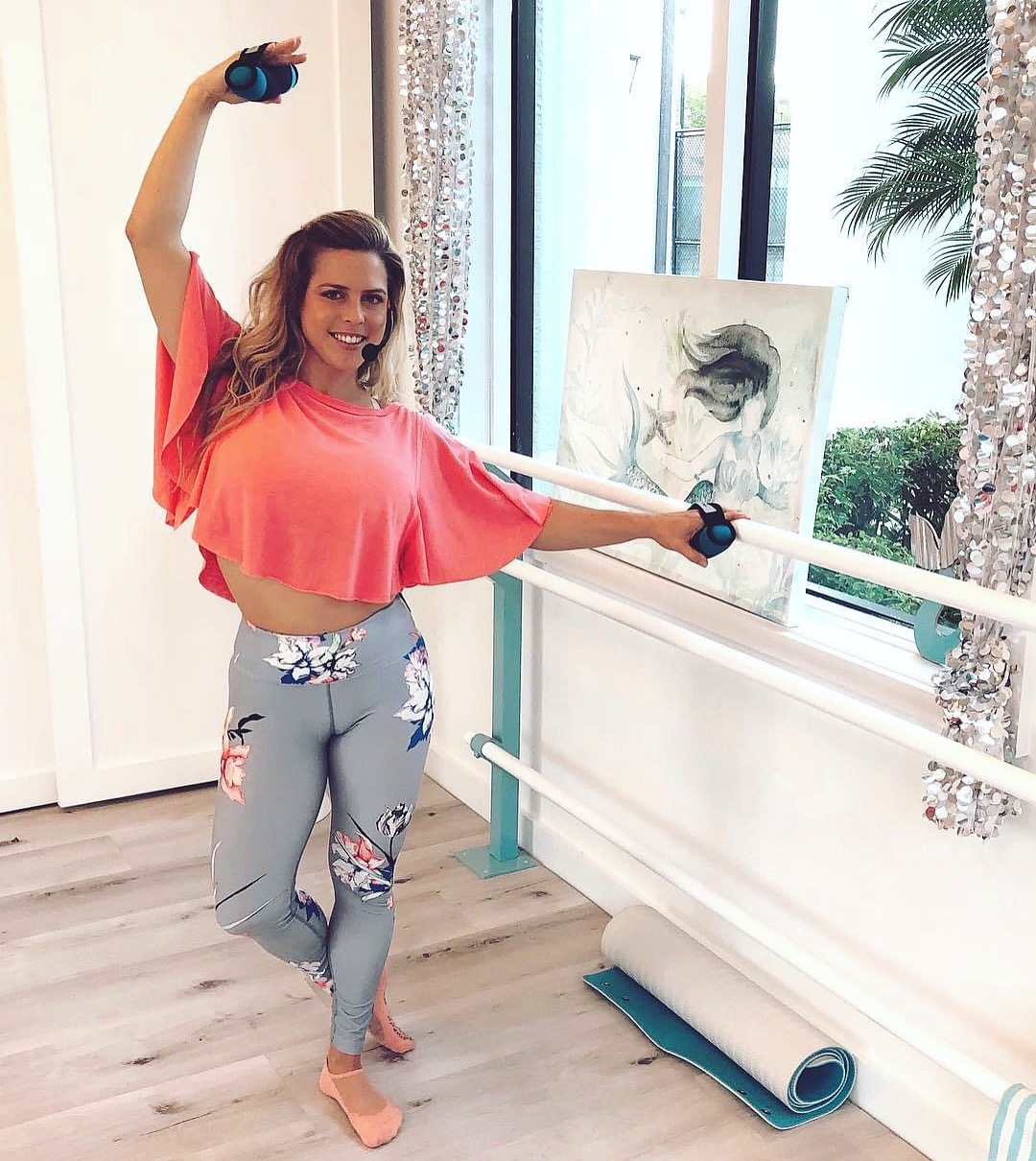
Pilates has gained immense popularity over the years, and for good reason. This low-impact exercise method focuses on strengthening muscles while improving postural alignment and flexibility. Whether you are a beginner or an experienced practitioner, understanding the various techniques and exercises can enhance your Pilates journey. In this guide, we will explore the fundamentals of Pilates, its benefits, and a variety of exercises to help you get started.

What is Pilates?
Pilates is a physical fitness system developed by Joseph Pilates in the early 20th century. It emphasizes core strength, flexibility, and overall body awareness. The method can be practiced on a mat or with specialized equipment, such as the reformer, which uses springs and pulleys to provide resistance.
Key Principles of Pilates
Concentration: Focus on each movement to ensure proper form and alignment.
Control: Every exercise should be performed with control to prevent injury and maximize effectiveness.
Centering: Engage your core muscles to stabilize your body during exercises.
Flow: Movements should be smooth and continuous, promoting a sense of grace.
Precision: Pay attention to detail in each movement to achieve optimal results.
Breath: Use breath to enhance movement and facilitate relaxation.
Benefits of Practicing Pilates
Pilates offers numerous benefits for individuals of all fitness levels. Here are some of the most notable advantages:
Improved Core Strength: Pilates focuses on the core muscles, which support your spine and improve overall stability.
Enhanced Flexibility: Regular practice increases flexibility, reducing the risk of injury and enhancing athletic performance.
Better Posture: Pilates promotes awareness of body alignment, helping to correct poor posture habits.
Increased Body Awareness: Practicing Pilates encourages mindfulness and a deeper connection to your body.
Stress Relief: The focus on breath and movement can help reduce stress and promote relaxation.
Essential Pilates Techniques
Understanding the fundamental techniques of Pilates is crucial for effective practice. Here are some essential techniques to incorporate into your routine:
Breathing Techniques
Proper breathing is vital in Pilates. The most common breathing pattern involves inhaling through the nose and exhaling through the mouth. This technique helps engage the core and supports movement.
Core Engagement
Engaging your core is essential for stability and control. To engage your core, draw your navel towards your spine and maintain this connection throughout your exercises.
Alignment
Maintaining proper alignment is crucial to prevent injury and maximize effectiveness. Focus on keeping your spine neutral and your shoulders relaxed throughout your practice.
Popular Pilates Exercises
Now that you understand the principles and techniques, let’s explore some popular Pilates exercises that you can incorporate into your routine.
1. The Hundred
Target Areas: Core, arms, and legs
How to Do It:
Lie on your back with your legs in a tabletop position.
Lift your head, neck, and shoulders off the mat.
Extend your arms alongside your body, palms facing down.
Pump your arms up and down while inhaling for five counts and exhaling for five counts.
Repeat for a total of 100 pumps.
2. Roll-Up
Target Areas: Core and spine
How to Do It:
Lie on your back with your legs extended and arms overhead.
Inhale as you lift your arms towards the ceiling.
Exhale as you roll up, reaching for your toes.
Inhale as you roll back down, keeping your spine rounded.
Repeat for 5-8 repetitions.
3. Single Leg Stretch
Target Areas: Core and hip flexors
How to Do It:
Lie on your back with your knees in a tabletop position.
Lift your head, neck, and shoulders off the mat.
Extend your right leg while pulling your left knee towards your chest.
Switch legs, pulling the right knee in and extending the left leg.
Repeat for 10-12 repetitions on each side.
4. Plank
Target Areas: Core, shoulders, and back
How to Do It:
Start in a push-up position with your hands directly under your shoulders.
Engage your core and keep your body in a straight line from head to heels.
Hold the position for 30 seconds to 1 minute, breathing steadily.
5. Bridge
Target Areas: Glutes, hamstrings, and lower back
How to Do It:
Lie on your back with your knees bent and feet flat on the mat.
Press through your heels to lift your hips towards the ceiling.
Squeeze your glutes at the top and hold for a few seconds.
Lower back down and repeat for 10-15 repetitions.
Tips for Getting Started with Pilates
If you are new to Pilates, here are some tips to help you get started:
Find a Class: Consider joining a local Pilates class or following online tutorials to learn proper form and technique.
Start Slow: Begin with beginner-level exercises and gradually progress to more advanced movements as you build strength and confidence.
Listen to Your Body: Pay attention to how your body feels during each exercise. If something doesn’t feel right, modify the movement or take a break.
Practice Regularly: Consistency is key to seeing results. Aim for at least two to three sessions per week.
Common Mistakes to Avoid
As you embark on your Pilates journey, be mindful of these common mistakes:
Neglecting Core Engagement: Always engage your core to support your spine and maintain stability.
Rushing Through Movements: Focus on quality over quantity. Take your time to ensure proper form and alignment.
Ignoring Breath: Use your breath to enhance movement and maintain control throughout your practice.
Conclusion
Pilates is a powerful exercise method that can transform your body and mind. By understanding the techniques, benefits, and exercises outlined in this guide, you can embark on a fulfilling Pilates journey. Remember to practice regularly, listen to your body, and enjoy the process of strengthening and connecting with yourself. Whether you are looking to improve your core strength, flexibility, or overall well-being, Pilates offers a path to achieve your fitness goals.
Now that you have the knowledge, it’s time to roll out your mat and get started!


Comments