


Pilates for Beginners: Essential Tips to Get Started
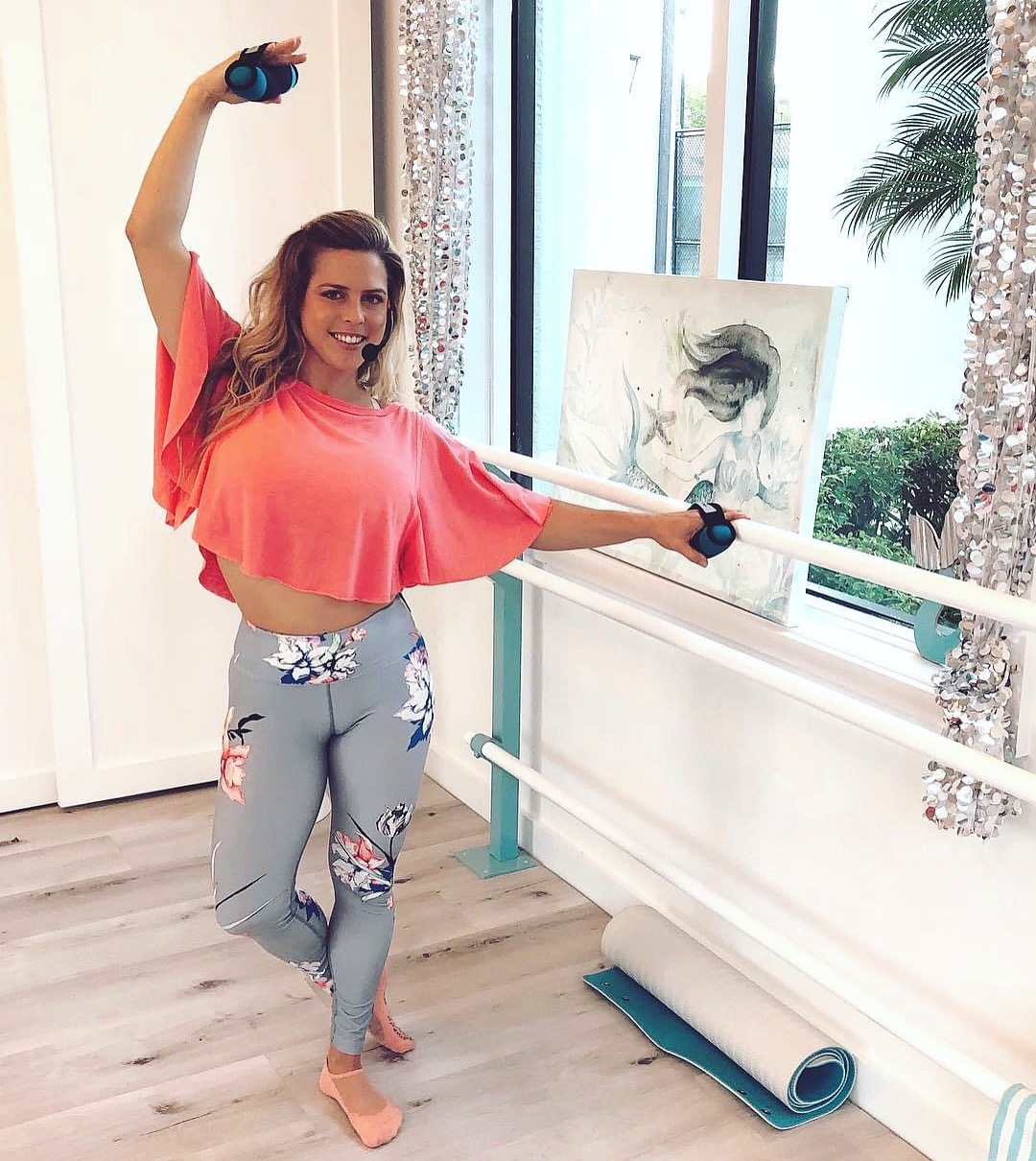
Pilates is more than just a fitness trend; it’s a holistic approach to improving your body and mind. Whether you’re looking to enhance your flexibility, build core strength, or simply find a new way to relieve stress, Pilates offers a variety of benefits that can cater to your needs. If you’re new to this practice, you might feel overwhelmed by the different techniques and terminologies. This guide will provide you with essential tips to get started on your Pilates journey.

Understanding Pilates
Pilates was developed in the early 20th century by Joseph Pilates. It focuses on controlled movements, breathing, and alignment. The primary goal is to strengthen the core muscles while improving flexibility and posture. Here are some key principles of Pilates:
Concentration: Focus on each movement to ensure proper form and effectiveness.
Control: Every exercise should be performed with control to prevent injury and maximize benefits.
Centering: Engage your core to stabilize your body during movements.
Flow: Movements should be smooth and fluid, transitioning seamlessly from one to another.
Precision: Quality over quantity is essential; precise movements yield better results.
Getting Started with Pilates
Choose the Right Class
As a beginner, it’s crucial to find a class that suits your level. Look for classes labeled as "beginner" or "introductory." Many studios offer trial classes, which can be a great way to test the waters before committing.
Invest in Quality Equipment
While Pilates can be practiced with minimal equipment, having the right tools can enhance your experience. Here are some essentials:
Mat: A good quality Pilates mat provides cushioning and support.
Props: Items like resistance bands, small weights, and Pilates rings can add variety to your workouts.
Comfortable Clothing: Wear fitted clothing that allows you to move freely without distractions.
Learn the Basics
Before diving into advanced moves, familiarize yourself with fundamental exercises. Here are a few to start with:
The Hundred: A classic Pilates exercise that warms up the body and engages the core.
Roll-Up: This exercise helps improve spinal flexibility and strengthens the abdominal muscles.
Leg Circles: Great for hip mobility and core stability.
Focus on Your Breathing
Breathing is a vital component of Pilates. Proper breathing techniques help you engage your core and maintain control during movements. Practice inhaling through your nose and exhaling through your mouth, coordinating your breath with your movements.
Tips for a Successful Pilates Practice
Set Realistic Goals
As a beginner, it’s essential to set achievable goals. Whether it’s mastering a specific exercise or attending a certain number of classes per week, having clear objectives can keep you motivated.
Listen to Your Body
Pay attention to how your body feels during and after each session. If you experience pain or discomfort, modify the exercise or consult your instructor for guidance. Remember, it’s okay to take breaks and progress at your own pace.
Stay Consistent
Consistency is key to seeing results in Pilates. Aim to practice at least two to three times a week. This regularity will help you build strength and improve your technique over time.
Find a Community
Joining a Pilates class can help you connect with others who share your interests. Building a community can provide support, motivation, and accountability as you progress in your practice.
Keep a Journal
Documenting your Pilates journey can be incredibly beneficial. Note down your experiences, challenges, and achievements. This reflection can help you stay focused and motivated.
Common Mistakes to Avoid
Skipping the Warm-Up
Always start your session with a warm-up to prepare your muscles and joints. Skipping this step can lead to injuries and hinder your performance.
Neglecting Form
Proper form is crucial in Pilates. Focus on maintaining alignment and engaging the correct muscles. If you’re unsure, don’t hesitate to ask your instructor for feedback.
Overexerting Yourself
As a beginner, it’s easy to push yourself too hard. Remember that Pilates is about control and precision, not speed. Take your time and focus on mastering each movement.
Comparing Yourself to Others
Everyone’s Pilates journey is unique. Avoid comparing your progress to others in the class. Focus on your own growth and celebrate your achievements, no matter how small.
Progressing in Your Practice
Explore Different Styles
As you become more comfortable with the basics, consider exploring different styles of Pilates. Some popular variations include:
Classical Pilates: Follows the original teachings of Joseph Pilates.
Contemporary Pilates: Incorporates modern techniques and equipment.
Reformer Pilates: Utilizes a reformer machine for resistance training.
Challenge Yourself
Once you’ve mastered the basics, don’t be afraid to challenge yourself with more advanced exercises. This progression will help you continue to grow and improve your strength and flexibility.
Consider Private Lessons
If you’re looking for personalized guidance, consider scheduling private lessons with a certified instructor. They can tailor workouts to your specific needs and help you refine your technique.
Conclusion
Starting your Pilates journey can be an exciting and rewarding experience. By following these essential tips, you’ll be well on your way to building strength, improving flexibility, and enhancing your overall well-being. Remember to stay patient, listen to your body, and enjoy the process. As you progress, you’ll discover the many benefits that Pilates has to offer. So roll out your mat, take a deep breath, and begin your journey today!


Comments